Biomass
Turning Agricultural Waste into Clean Energy
Our biomass division transforms crop residues and forestry waste into high-value energy products, closing the loop on agricultural by-products.
Our biomass division transforms crop residues and forestry waste into high-value energy products, closing the loop on agricultural by-products.
We source biomass from diverse agricultural and forestry streams across the Kashmir Valley.
Apple pomace, rice straw and husks, walnut shells, corn stalks, mustard residue, and orchard pruning waste. Over 80,000 tonnes of agri-waste collected annually from our farmer network.
Sustainably sourced sawmill waste, bark, wood chips, and fallen timber. All forestry biomass is certified as sustainably harvested under state forest department guidelines.
Food processing waste from juice factories, dried fruit units, and grain mills. These high-caloric streams make excellent biomass feedstock with minimal pre-processing.
Pilot cultivation of fast-growing species like poplar and willow on marginal lands for dedicated biomass supply, supplementing waste-derived feedstock.
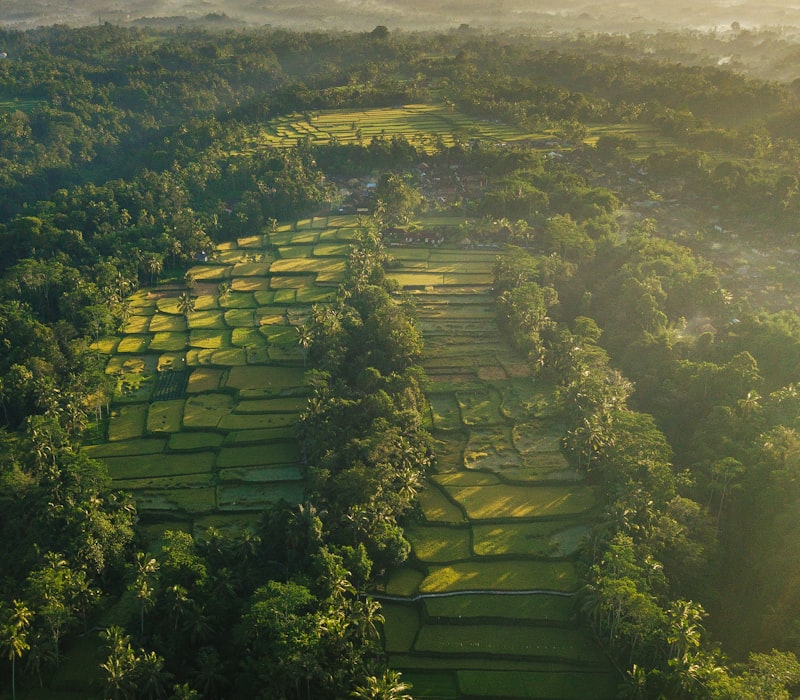
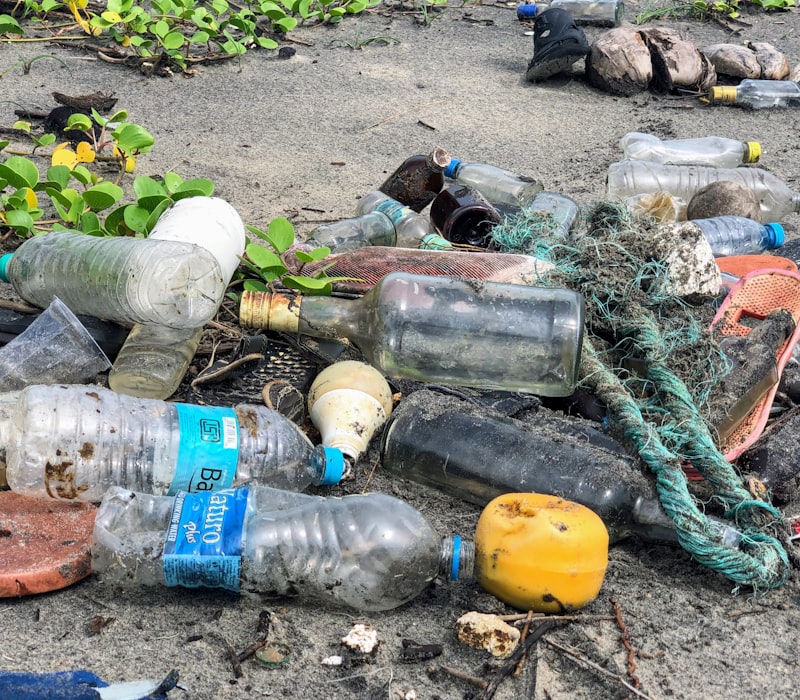
Our circular model creates economic value at every stage. What was once burned in open fields — causing air pollution and nutrient loss — is now a revenue stream for farmers and a clean energy source for industry.
Each tonne of biomass processed prevents 1.5 tonnes of CO₂ equivalent from open burning while generating ₹3,000–5,000 in farmer income from waste that previously had zero value.

Replace coal and LPG in boilers for textile mills, food processing plants, and manufacturing units. 30% cost savings over fossil fuels.
Co-firing biomass pellets in thermal plants reduces coal dependency. Our pellets meet IS 17484 standards for power plant specification.
Schools, hospitals, and government buildings in Kashmir use our briquettes for winter heating — cleaner and more affordable than kerosene or LPG.